Organized around advanced techniques bringing world-class standards with assured hospital care
Building Your Health
We are a modern hospital with mission of providing compassionate surgical care to the community through expertise, advanced technology and committed team of doctors and nursing staff.
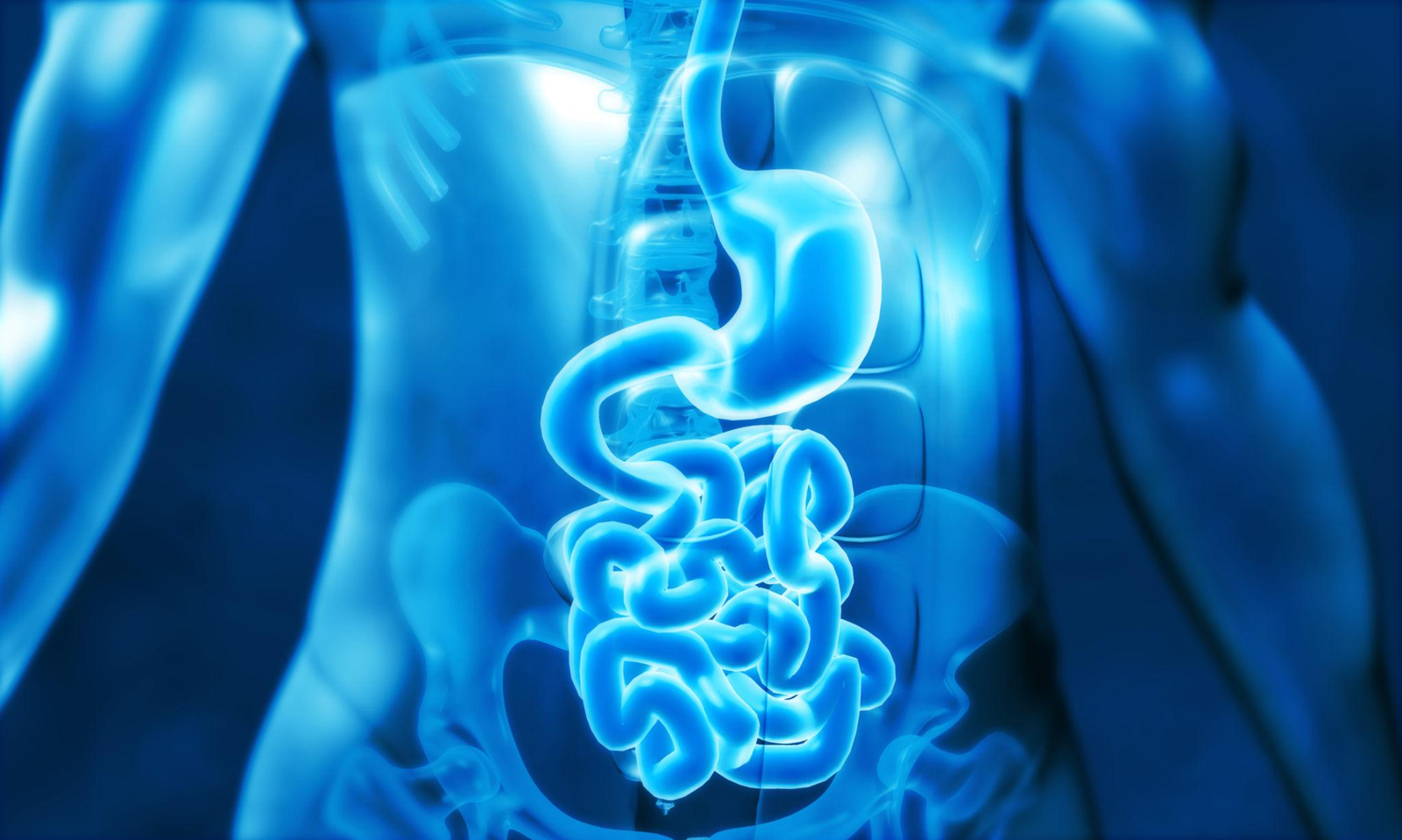
Comprehensive solutions for GI disorders using minimally invasive techniques. We specialize in treatments including hernia repair, gall bladder surgery, acid reflux management, and colorectal procedures.
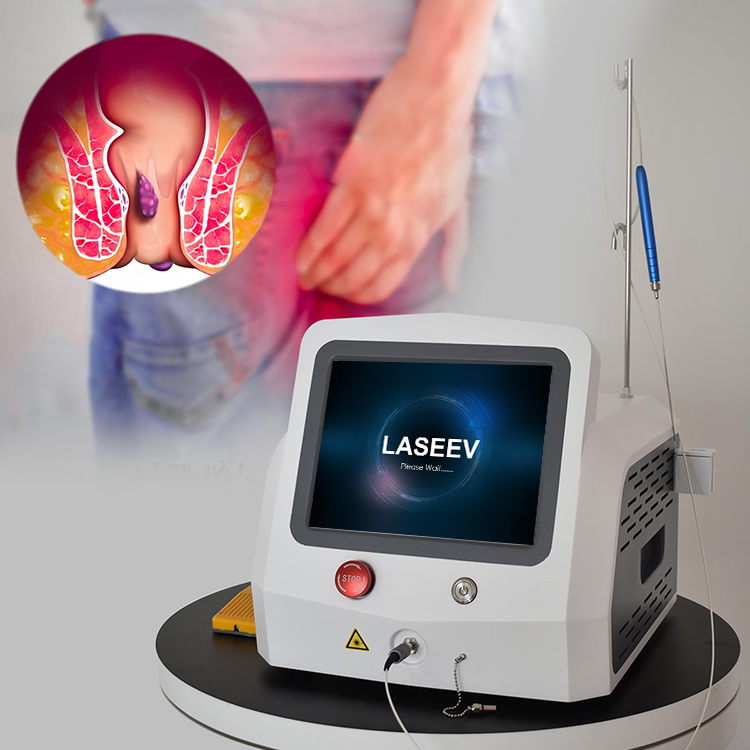
Most advanced and painless treatment for hemorrhoids using laser technology. Our technique ensures minimal discomfort, faster recovery, and higher success rates with zero complications.
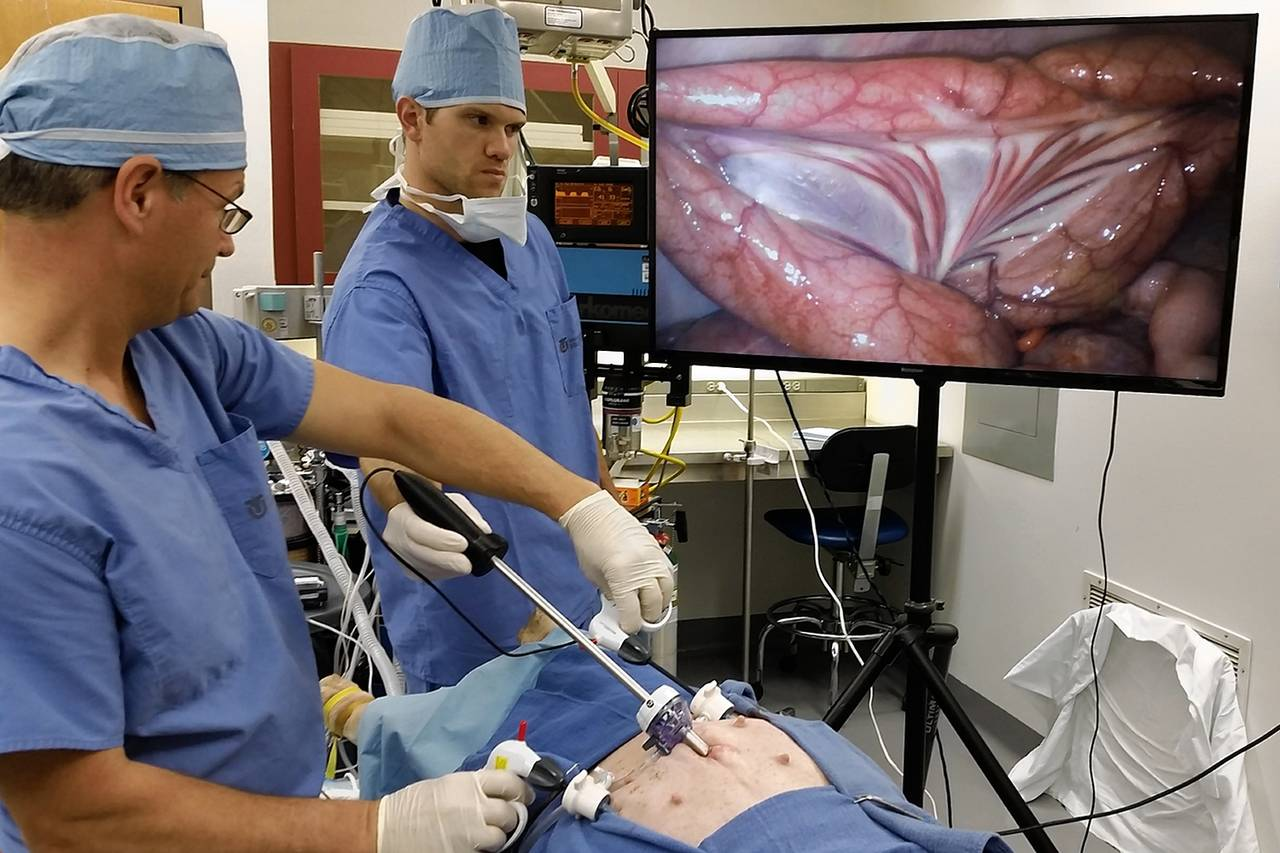
Advanced laparoscopic procedures with small incisions, reduced pain, and faster recovery. Suitable for various abdominal conditions with superior outcomes.
Comprehensive kidney and gallstone management using latest techniques including ESWL, URSL, and percutaneous nephrolithotomy for maximum efficacy.
24/7 emergency services with dedicated trauma team, ICU facilities with ventilator support, and expert nursing care ensuring continuous patient monitoring and care.
Comprehensive support services including advanced pathology, imaging diagnostics, pharmacy services, and rehabilitation to ensure holistic patient care.
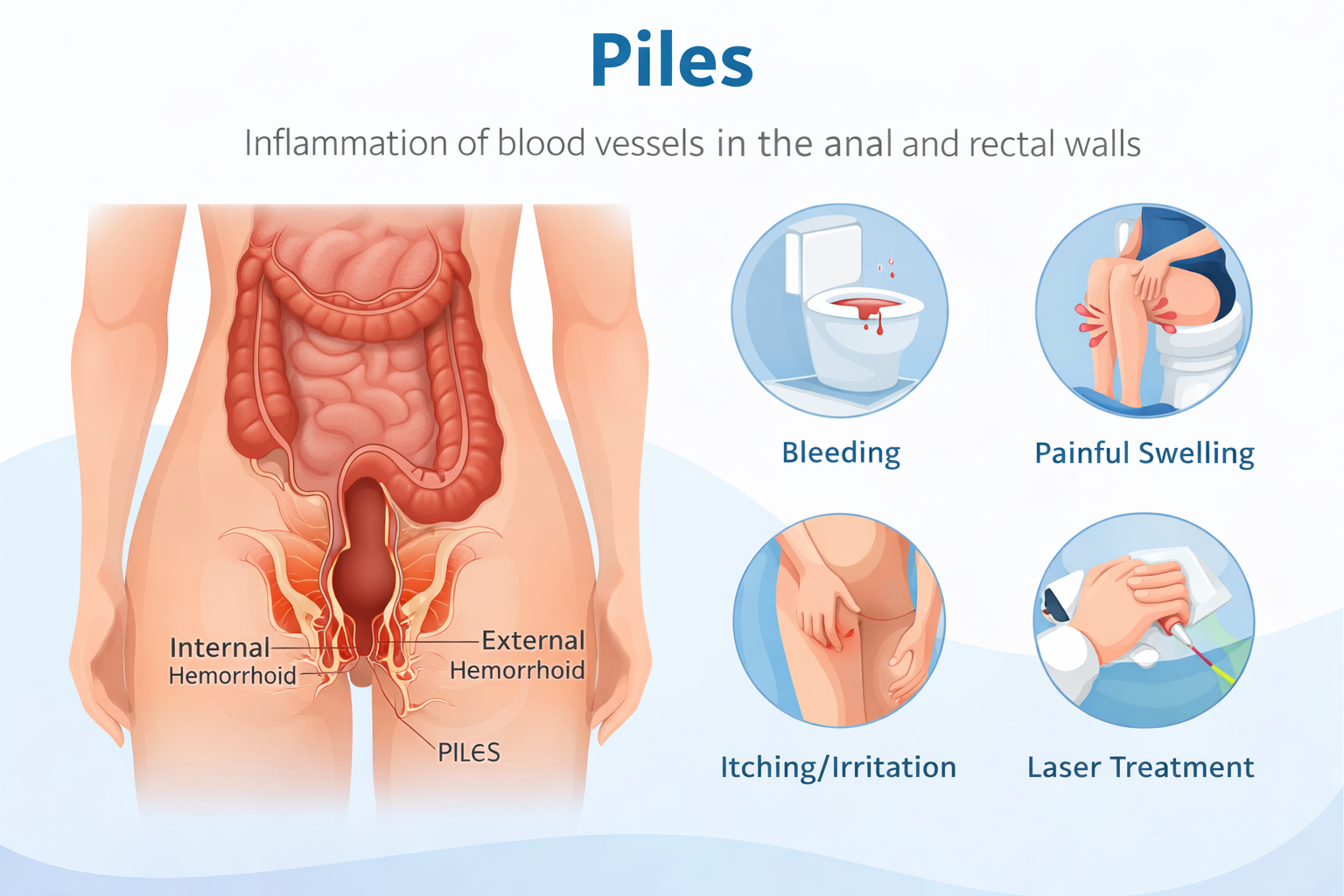
Inflammation of blood vessels in the walls of the anus and rectum is called piles. These blood vessels act as shock abso.
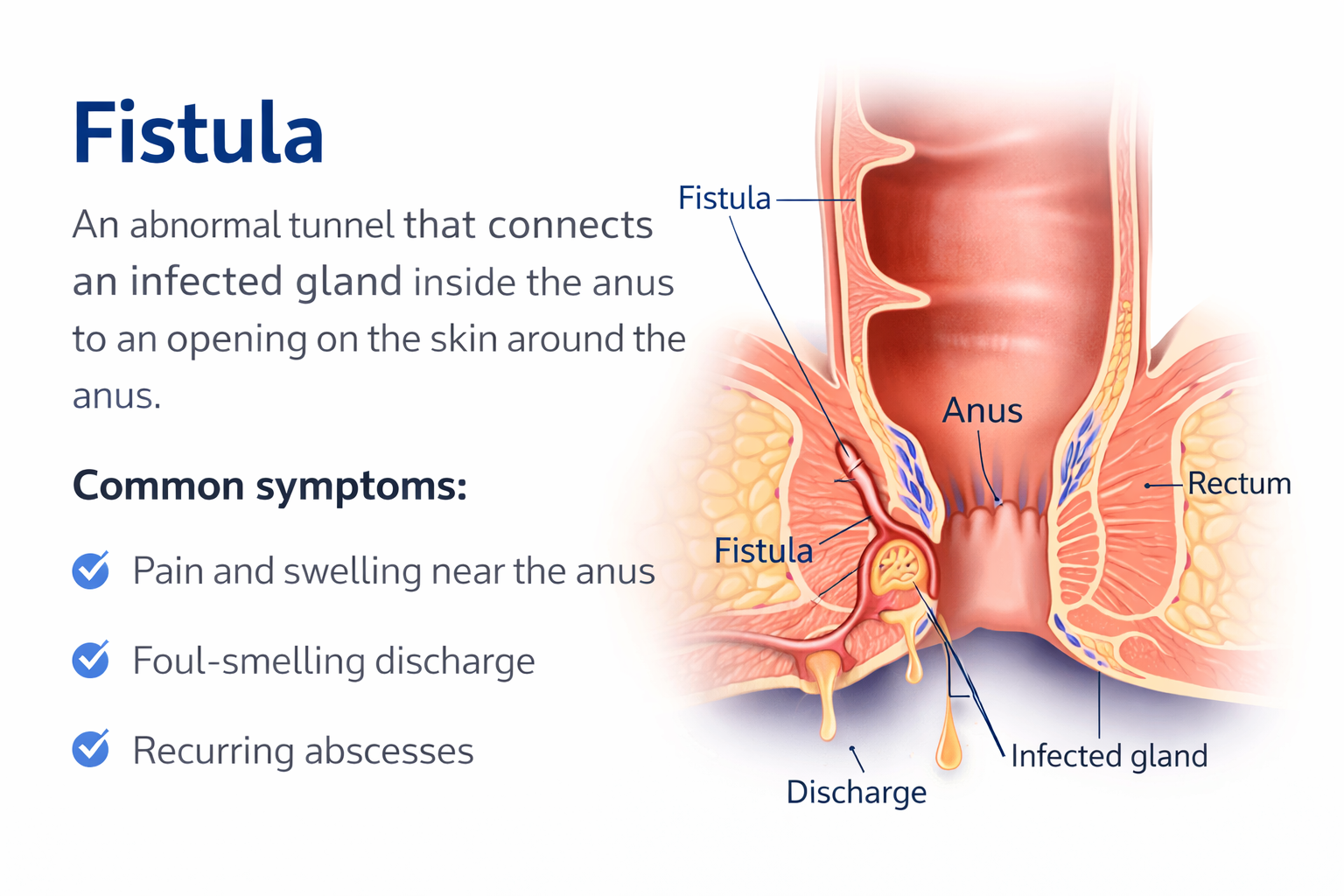
An anal fistula is a small tunnel that connects an abscess, an infected cavity in the anus, to the opening in the skin around the anus. The anus is the external opening through which feces are evacuated from the body. In the anus are several small glands that produce mucus. Sometimes these glands can become blocked and infected, resulting in an abscess. About half of these abscesses can develop into fistulas..
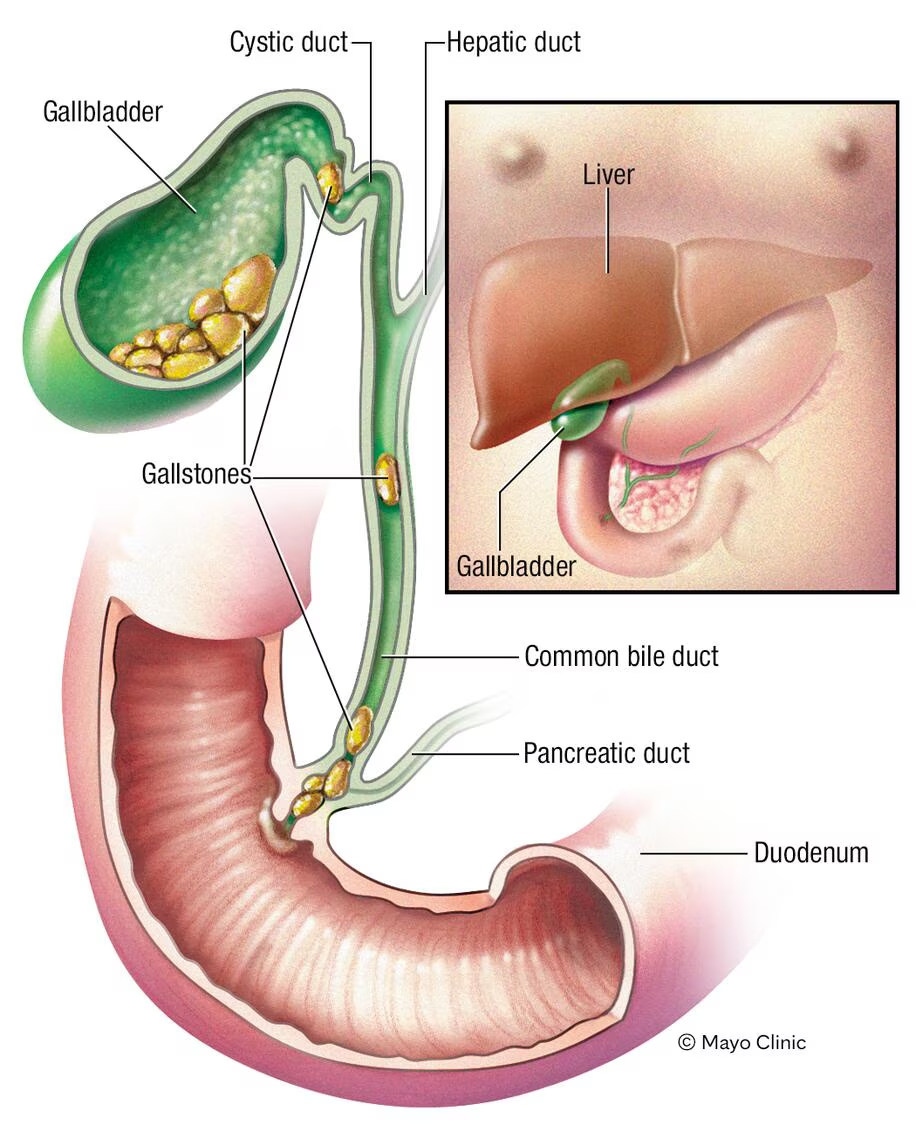
Gallbladder stones (cholelithiasis) are hardened deposits of bile, primarily cholesterol or bilirubin, that form inside the gallbladder, ranging in size from sand grains to golf balls. Often asymptomatic ("silent"), they can cause severe, sudden upper right abdominal pain, nausea, or vomiting when blocking bile ducts. Treatment for symptomatic stones usually involves surgical removal (cholecystectomy). .
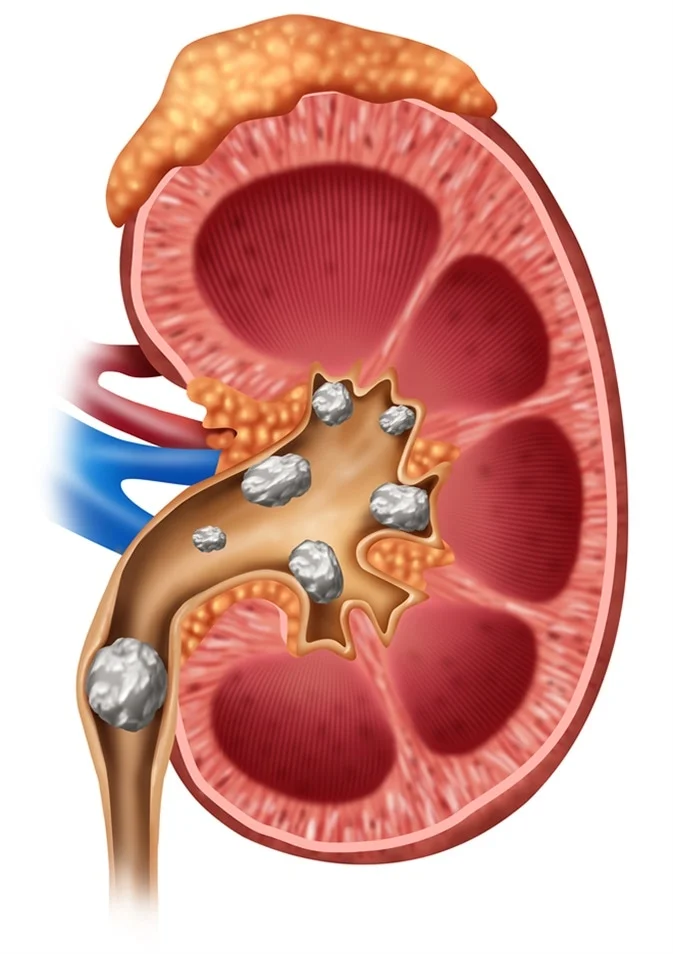
Kidney stones (renal calculi) are hard mineral and salt deposits forming in the kidneys, often causing severe pain, nausea, and blood in the urine. Treatments range from increased fluids and pain meds for small stones (taking up to 6 weeks to pass) to surgical removal for larger stones. Common risks include dehydration, high-salt diets, and obesity.
Appendix surgery, or appendectomy, is a common, often emergency, procedure to remove an inflamed, infected, or ruptured appendix to prevent severe abdominal infection. Performed under general anesthesia, it is done via minimally invasive laparoscopy (1-3 small incisions) or open surgery (one larger incision). Recovery is usually fast, with many patients going home within 1–2 days.
Hernia surgery, or hernia repair, is a common procedure that corrects a bulge of internal organ/tissue pushing through weak muscle, typically in the groin or abdomen. Surgeons push the tissue back and reinforce the weakened wall, often using mesh, via either traditional open surgery (one larger cut) or minimally invasive (laparoscopic/robotic) methods.
Liver surgery, primarily liver resection (hepatectomy), involves removing part of the liver to treat cancerous, benign, or diseased tissue, or for living donation. Because the liver can regenerate, up to two-thirds of it can be removed. It is performed via open or minimally invasive (laparoscopic) techniques, with recovery taking several weeks.
Abdominal tuberculosis (TB) is a form of extrapulmonary TB affecting the gastrointestinal tract, peritoneum, lymph nodes, or solid organs (liver, spleen), commonly caused by Mycobacterium tuberculosis. It often presents with non-specific symptoms—chronic abdominal pain, fever, weight loss, and ascites—mimicking other diseases, leading to delayed diagnosis. Treatment relies on standard antituberculous medication, often with positive outcomes if started early.
Benign prostatic hyperplasia (BPH) is a noncancerous, age-related enlargement of the prostate gland that affects most men over 50, causing symptoms like frequent urination, weak flow, and difficulty starting urination. Caused by hormonal changes, it compresses the urethra, requiring treatment options ranging from lifestyle changes and medication to surgery for moderate to severe cases.
Breast surgery covers a wide range of procedures categorized into cosmetic enhancement (augmentation, lift, reduction) and medical treatments (cancer, reconstruction, lump removal) to improve appearance, function, or health. Common techniques include using silicone/saline implants, tissue rearrangement, or mastectomies, with recovery involving specialized bras, restricted activity, and wound care.
Thyroid surgery (thyroidectomy) involves removing all or part of the butterfly-shaped thyroid gland in the neck, typically for cancer, large nodules, or severe hyperthyroidism. Performed under general anesthesia, it generally takes 1.5–2 hours. Patients usually go home in 1-2 days, with full recovery in about two weeks. Total removal requires lifelong hormone medication.
An anal fissure is a small, painful tear in the thin lining of the anus, often causing sharp pain and bright red bleeding during or after bowel movements. They are commonly caused by passing hard stool due to constipation, straining, or chronic diarrhea, and can usually be treated with fiber, fluids, and sitz baths, though chronic cases may require medication or surgery.
A pilonidal sinus is a painful, inflamed tunnel or cyst that forms at the top of the buttocks, typically caused by hair and debris becoming trapped under the skin, leading to infection. Symptoms include pain, swelling, and pus-filled drainage. Treatment often involves surgical drainage or removal, along with lifestyle changes to prevent recurrence.
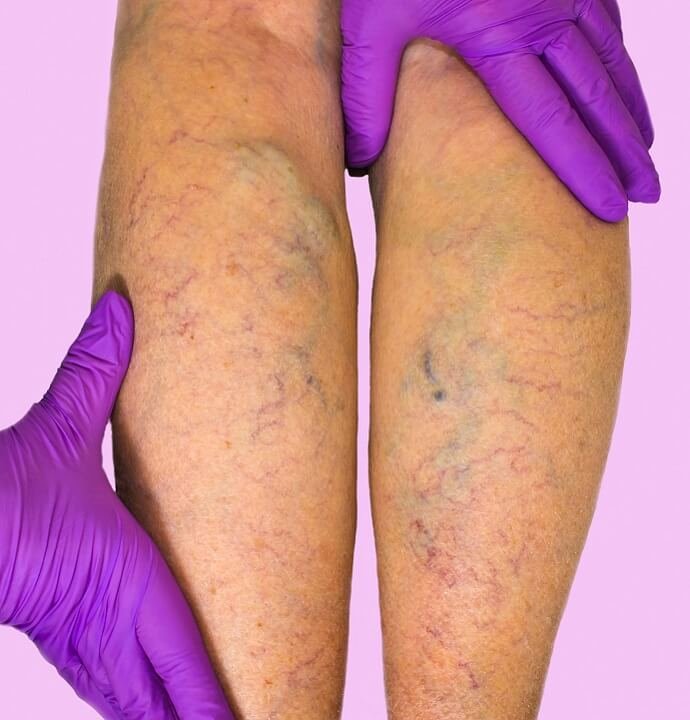
Varicose veins are swollen, twisted, blue or purple blood vessels that typically bulge under the skin on the legs, resulting from damaged or weakened one-way valves that allow blood to pool. Often caused by genetics, pregnancy, or prolonged standing, they are common, and treatment includes compression stockings, lifestyle changes, and medical procedures. While often just a cosmetic issue, they can cause aching pain, itching, swelling, and severe complications like blood clots.
Get expert medical advice from our specialists